National Mahatma Phule Festival

Eight Decades of Courage & Social Action

From the forefront of India's independence movement to defending constitutional democracy, eradicating caste barriers, and pioneering constructive shramdan across 11+ states.

INTERACTIVE ARCHIVES

Historic Waypoints of Rashtra Seva Dal

Click each milestone below to explore photographs, archival records, and historic turning points.

1941 Foundation in Pune
1941
4 June 1941 • Pune, Maharashtra
MILESTONE 01 / 07 FOUNDATION ERA

Reorganisation of Rashtra Seva Dal in Pune

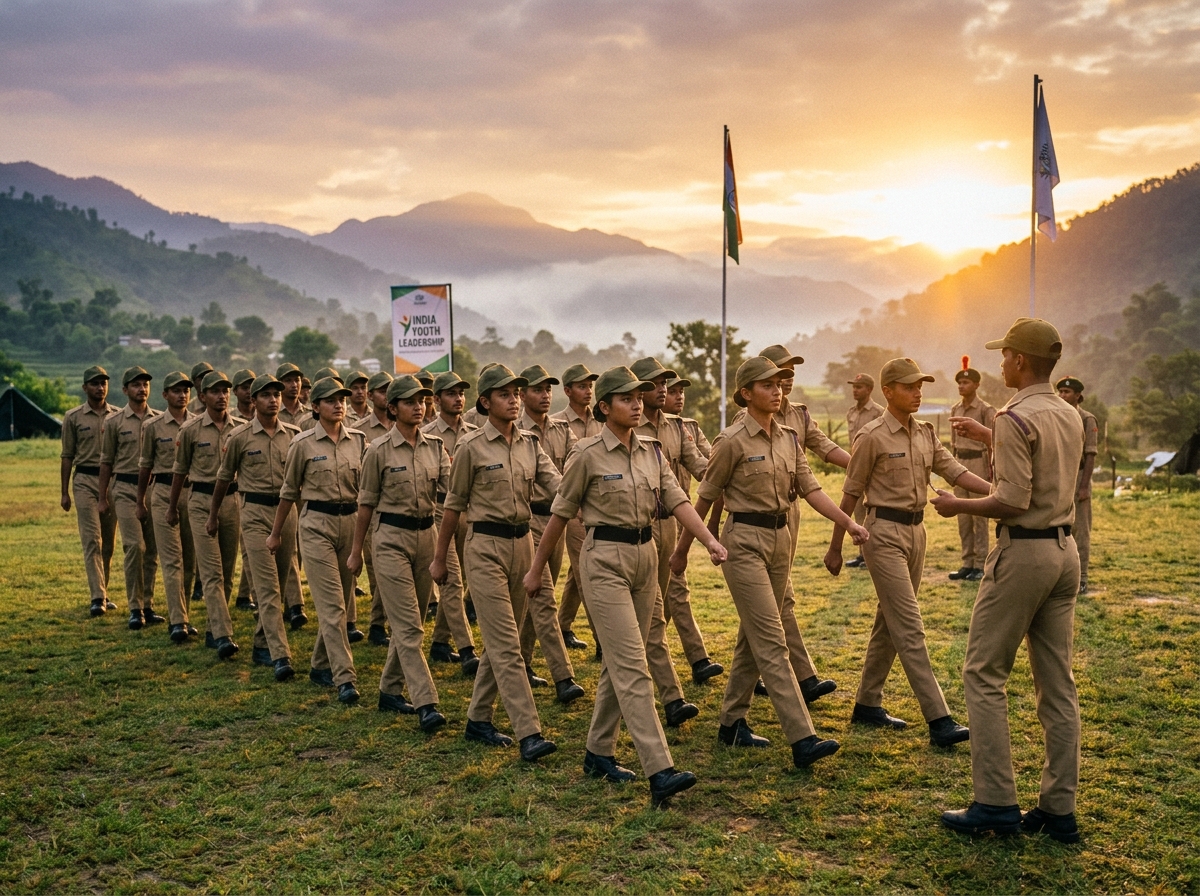
Socialist stalwarts S. M. Joshi, N. G. Gore, and Shirubhau Limaye reconstituted the Seva Dal to train democratic socialist cadres in secular nationalism, physical agility, and grassroots constructive service under the moral beacon of Sane Guruji.

Sane Guruji's Guidance Secular Cadre Building Democratic Socialism
1942 Quit India Resistance
1942
August 1942 • Western Maharashtra & Goa
MILESTONE 02 / 07 FREEDOM STRUGGLE

Underground Resistance in the Quit India Movement

Following Mahatma Gandhiji's call to 'Do or Die', Seva Dal volunteers formed the frontline of underground resistance across Maharashtra, Karnataka, and Goa. Over 107 brave RSD martyrs sacrificed their lives fighting colonial rule.

107+ Freedom Martyrs Patri Sarkar Resistance Underground Satyagraha
1947 Pandharpur Satyagraha
1947
May 1947 • Pandharpur & Satara
MILESTONE 03 / 07 SOCIAL EQUALITY ERA

Pandharpur Temple Entry & 12,000 Cadets at Satara

Sane Guruji undertook an historic fast unto death supported by RSD youth, successfully opening the sacred Vitthal Temple at Pandharpur to Dalits and marginalized communities. That same year, 12,000 RSD cadets gathered at Satara with INA General Shah Nawaz Khan.

Anti-Untouchability Fast Vitthal Mandir Entry 12,000 Volunteer Rally
1948 Autonomous Status
1948
1948 • National Council
MILESTONE 04 / 07 AUTONOMY & CONSTITUTION

Autonomous Status Independent of Political Parties

RSD resolved strictly to remain non-party and independent, ensuring its youth camps, cultural troupes, and study circles serve as a democratic incubator for ethical citizenship, critical thinking, and social reform without electoral ambitions.

Non-Party Autonomy Independent Youth Movement Prabodhan & Training
1951 Bhoodan and Shramdan
1951
1951–1955 • Nationwide Shramdan
MILESTONE 05 / 07 CONSTRUCTIVE ACTION ERA

Bhoodan Movement & Sane Guruji Seva Pathak

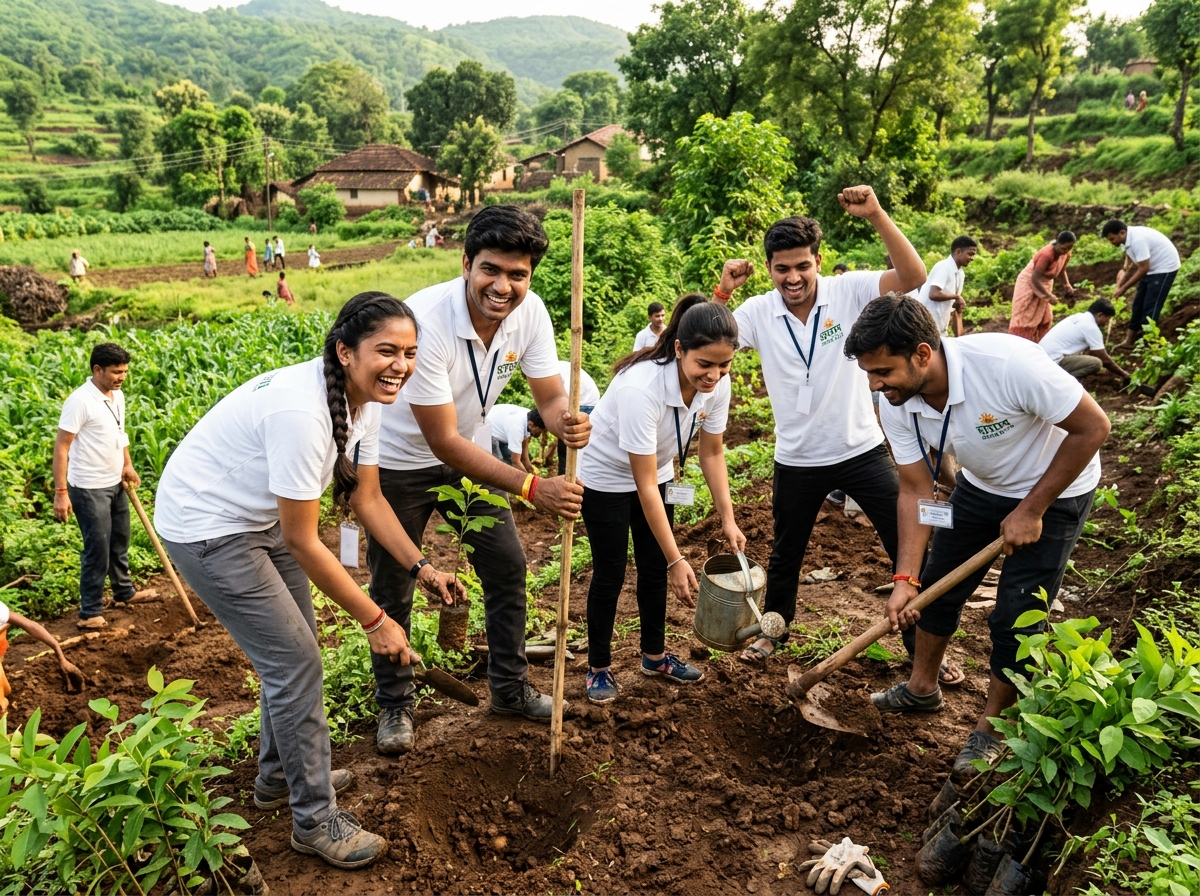
RSD volunteers mobilized across rural India alongside Acharya Vinoba Bhave's Bhoodan movement for voluntary land redistribution. Concurrently, Sane Guruji Seva Pathak built village roads, desilted water bodies, and constructed community centers through voluntary labor (Shramdan).

Vinoba Bhave Bhoodan Village Water & Road Camps Dignity of Labor
1975 Emergency Resistance
1975
1975–1977 • Nationwide Resistance
MILESTONE 06 / 07 DEMOCRACY DEFENSE

Defending Democracy in JP Movement & Anti-Emergency Struggle

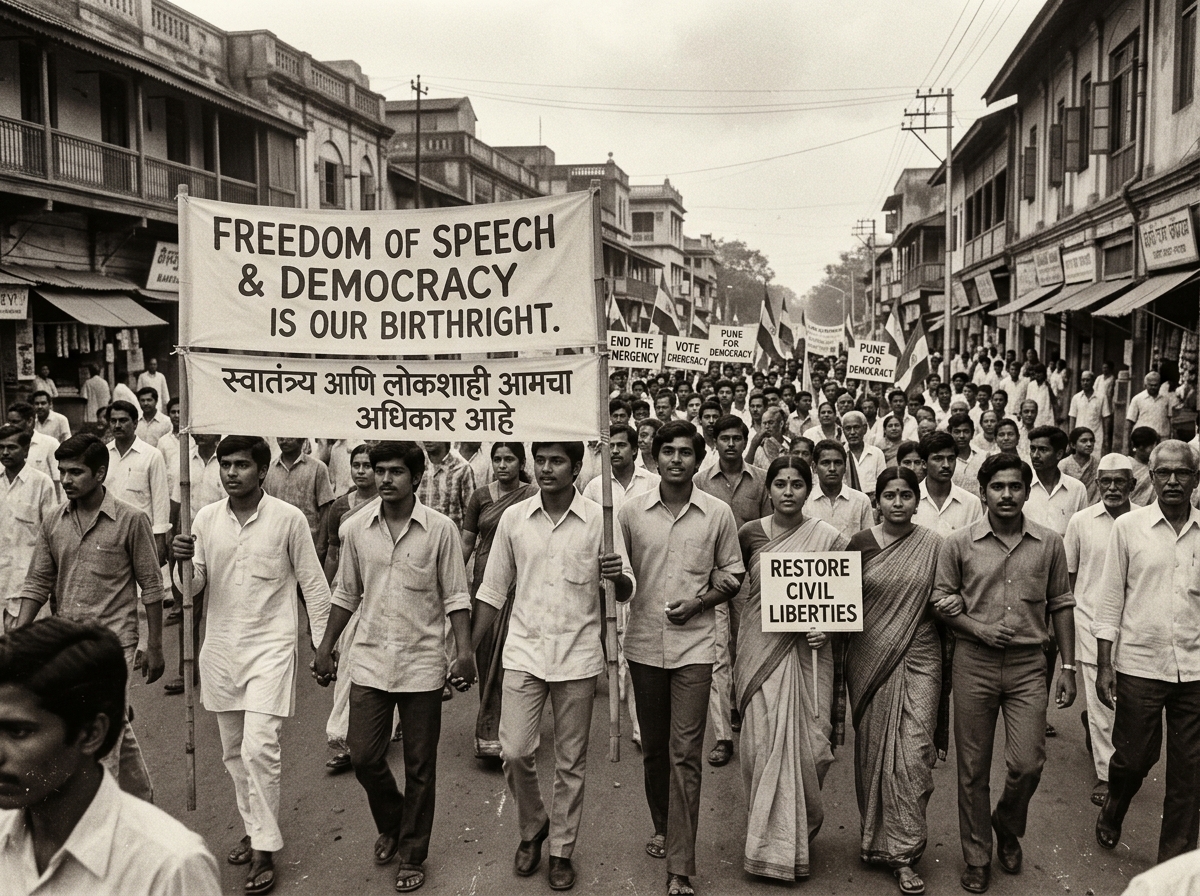
When the Internal Emergency was imposed, RSD cadres joined Loknayak Jayaprakash Narayan's Total Revolution movement, courting arrest, running clandestine publications, and defending constitutional civil liberties across Maharashtra and India.

Civil Liberties Defense JP Total Revolution Underground Satyagraha
2026 Phule Sammelan
2026
27–29 Nov 2026 • Pune, Maharashtra
MILESTONE 07 / 07 MODERN SOCIAL ACTION

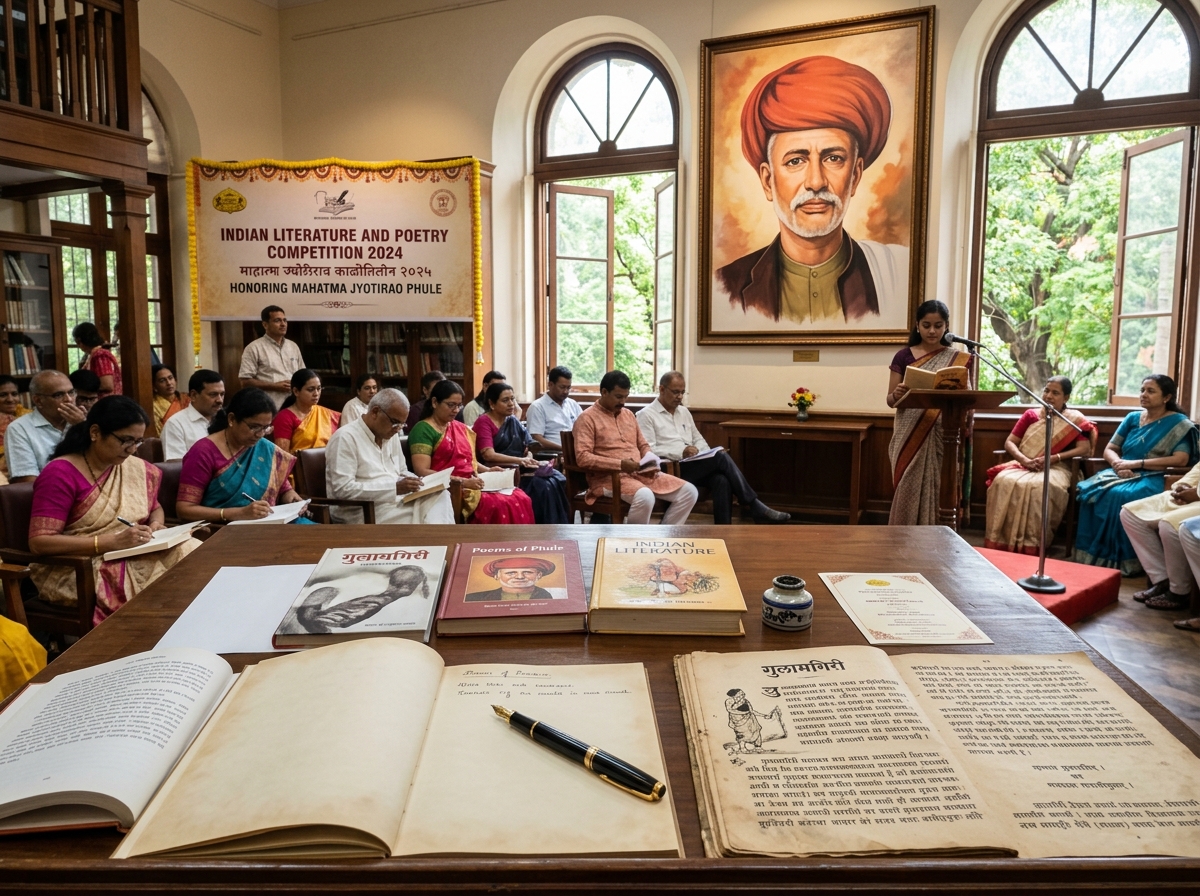
National Mahatma Phule Vichar-Sahitya Sammelan

Celebrating the 'Vishamata Nirmulan Nirdhar Varsha' (Year of Resolve to Eradicate Inequality) with a landmark 3-day national congregation in Pune, mobilizing thousands of youth, educators, thinkers, and cultural artists.

Phule Legacy Vishamata Nirmulan National Youth Convention
COMPREHENSIVE HISTORICAL RECORD

The Complete Story Across Nine Decades

Explore the major movements, satyagrahas, social reforms, and cultural awakenings from 1923 to the present day.

1923 – 1941
GENESIS & FOUNDATION Dr. N. S. Hardikar • Sane Guruji • S. M. Joshi

Origins of Volunteerism & Foundation in Pune

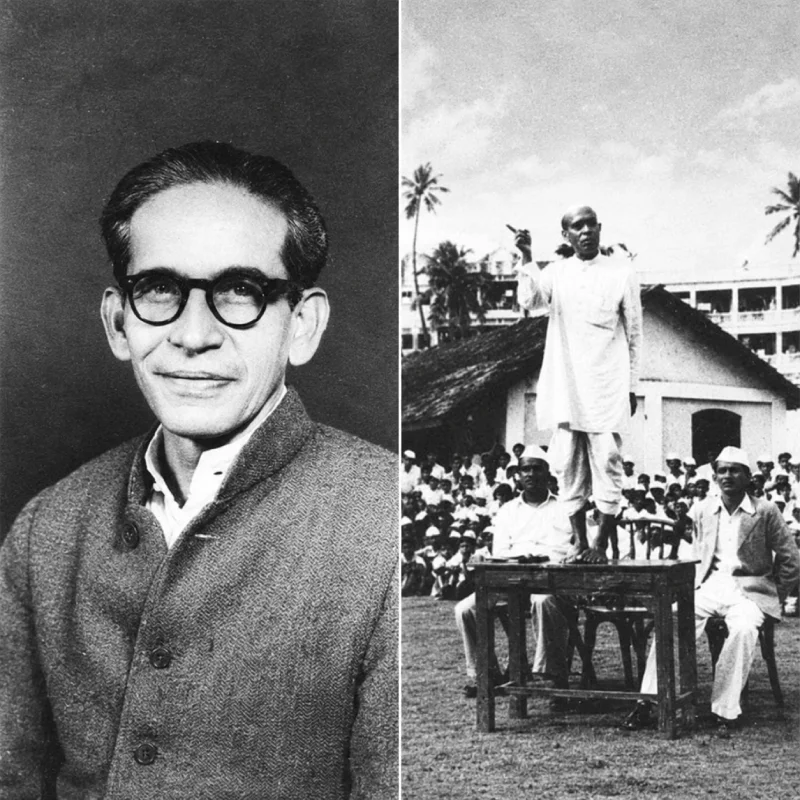
The roots of Rashtra Seva Dal stem from the volunteer discipline of India's independence struggle. In 1923, Dr. N. S. Hardikar established Hindustani Seva Dal to train Congress volunteers, which was later banned by British colonial authorities in 1932. Under Mahatma Gandhiji's moral compass and Sane Guruji's inspiration, Rashtra Seva Dal emerged in 1936. On 4 June 1941, socialist stalwarts S. M. Joshi, N. G. Gore, and Shirubhau Limaye officially reorganized Rashtra Seva Dal in Pune to foster democratic socialist citizenship, civic discipline, and secular patriotism.

Key Contribution: Establishment of daily youth training camps, physical fitness, lezim drills, and democratic study circles for youth of all castes and backgrounds.
1942
QUIT INDIA MOVEMENT 107+ Martyrs • Underground Resistance

Underground Resistance & Martyrdom in Quit India

When Mahatma Gandhiji gave the clarion call 'Do or Die' on 9 August 1942, Rashtra Seva Dal cadres led underground networks across Western Maharashtra, Karnataka, and Goa. Volunteers operated secret printing presses, distributed revolutionary literature, disrupted British colonial supply chains, and established parallel people's governance (*Patri Sarkar*). Around 107 Seva Dal volunteers laid down their lives for Indian independence, including young martyrs like Shirishkumar. S. M. Joshi and countless cadres suffered imprisonment and torture in British colonial jails.

Key Contribution: Deepened the reach of the independence movement into rural grassroots villages across Maharashtra and neighboring regions.
1947
SOCIAL EQUALITY SATYAGRAHA Pandharpur Satyagraha • 12,000 Cadets Rally at Satara

Pandharpur Temple Entry & Historic Satara Mobilisation

Sane Guruji firmly believed that political independence had no moral sanctity without social equality. In May 1947, he launched an indefinite fast unto death to secure the entry of Dalits into the historic Vitthal Temple at Pandharpur. Rashtra Seva Dal volunteers and cultural troupes mobilized public opinion across Maharashtra. Sane Guruji triumphed on 10 May 1947 when temple gates were opened to all without caste discrimination. Later that year, a massive convention of 12,000 Seva Dal volunteers convened at Satara with INA General Shah Nawaz Khan as the chief guest.

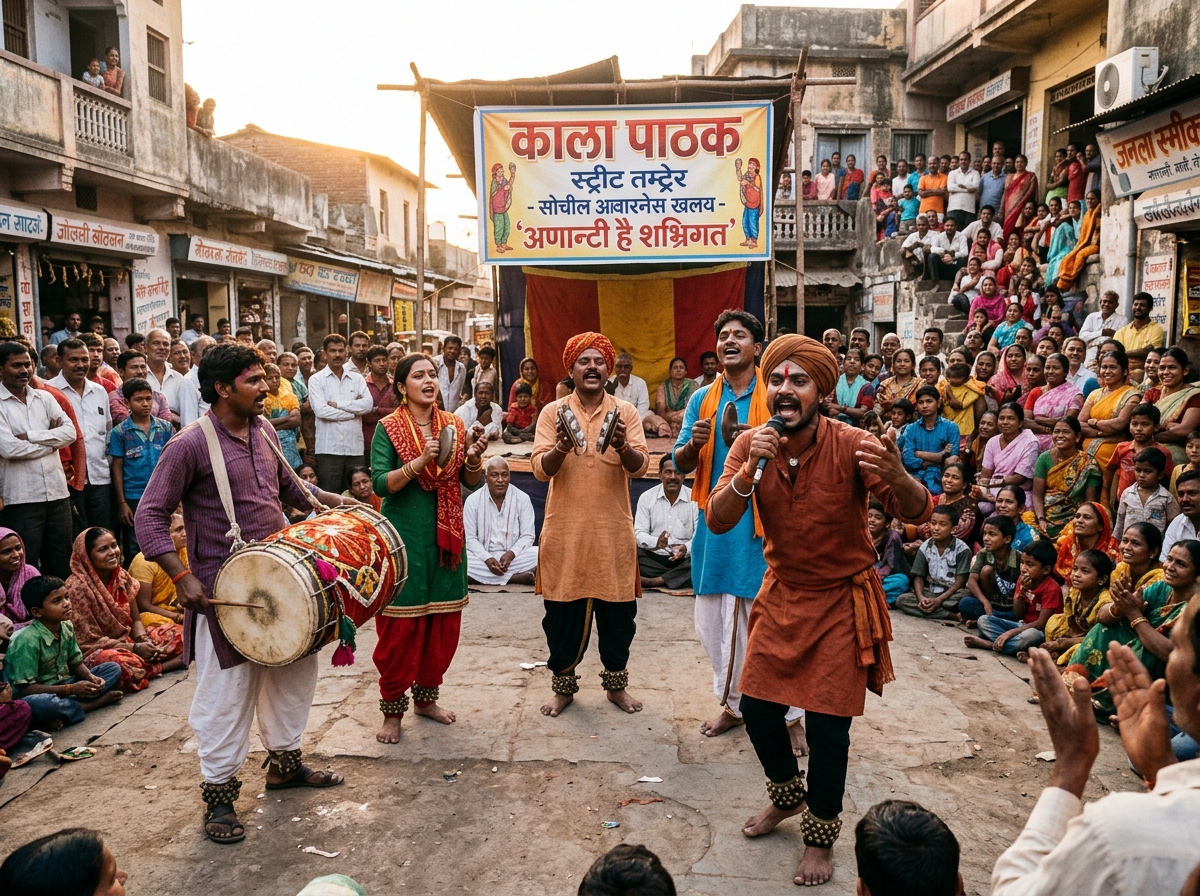
Key Contribution: Landmark breakthrough in anti-untouchability reform and establishment of the legendary Kala Pathak cultural troupe.
1948
ETHICAL AUTONOMY Non-Party Public Trust • Grassroots Nation-Building

Declaration of Non-Party Autonomy

Following India's independence, debate arose over whether the Seva Dal should operate under party organizational control. At a historic national convention in 1948, Rashtra Seva Dal resolutely chose complete organizational autonomy from political parties and decided never to contest elections. Its core mission was redefined: developing democratic-socialist citizens, instilling constitutional morality, and conducting constructive social work (*Rachana*).

Key Contribution: Guaranteed the movement's moral integrity and unbiased public trust status, enduring to this day.
1951 – 1960
CONSTRUCTIVE RECONSTRUCTION Bhoodan Movement • Shramdaan • Kala Pathak Legends

Bhoodan Movement, Rural Shramdaan & Cultural Awakenings

During the 1950s, RSD cadres actively assisted Acharya Vinoba Bhave's Bhoodan (Land Gift) Movement, mobilizing villagers and advocating equitable land redistribution. The Sane Guruji Seva Pathak organized large-scale voluntary labor (*shramdan*) camps for constructing rural roads, deepening village wells, repairing farm bunds, and sanitation drives. Concurrently, the RSD Kala Pathak produced celebrated productions like Maharashtra Darshan and Azadicha Jang featuring stalwarts Vasant Bapat, P. L. Deshpande, Shahir Sable, Dr. Shriram Lagoo, Nilu Phule, and Smita Patil.

Key Contribution: Popularized the threefold transformative methodology: *Prabodhan* (Awakening), *Rachana* (Constructive Work), and *Sangharsh* (Peaceful Struggle).
1955 – 1962
LIBERATION & STATEHOOD Goa Liberation • Samyukta Maharashtra • 1962 Constitution

Goa Liberation, Samyukta Maharashtra & Democratic Governance

Rashtra Seva Dal leaders and volunteers took frontline leadership in the Goa Liberation Movement against Portuguese imperial rule, with many enduring imprisonment and police brutality. Concurrently, RSD activists played a vital role in the Samyukta Maharashtra Movement advocating for linguistic statehood. In 1962, the organization adopted a revised democratic constitution introducing formal membership and transparent elections from village branches to the national presidency.

Key Contribution: Reinforced the volunteer spirit in territorial integration and codified grassroots internal democracy.
1967 – 1974
NATIONAL EXPANSION 11+ States • Samajwadi Mahila Sabha • Samata Morchas

Nationwide Expansion & Women's Empowerment Fronts

From 1967 onward, Rashtra Seva Dal expanded beyond Maharashtra into Uttar Pradesh, Bihar, Madhya Pradesh, Kerala, Manipur, Delhi, Uttarakhand, and Jammu & Kashmir. The Samajwadi Mahila Sabha organized historic Samata Morchas, agitations against dowry harassment, price rise protests, and leadership training for rural women under leaders like Sudha Varde, Anutai Limaye, and Mrinal Gore.

Key Contribution: Elevated women's leadership and transformed Seva Dal into a truly pan-Indian democratic movement.
1975 – 1977
DEFENSE OF DEMOCRACY JP Total Revolution • Resistance to the 1975 Emergency

Courage Under Dictatorship: The Anti-Emergency Resistance

When democratic rights and constitutional freedoms were suspended during the 1975–77 Internal Emergency, Rashtra Seva Dal volunteers joined Loknayak Jayaprakash Narayan's Total Revolution. Volunteers operated underground bulletins (*Sadhana*, clandestine leaflets), provided safe havens for dissidents, and courted imprisonment under MISA and DIR laws to demand the restoration of democratic rights.

Key Contribution: Proved that RSD stands as an unshakeable shield for the Constitution of India in moments of democratic crisis.
1980s – 2026
ORGANISATIONAL CONTINUITY

Presidents & Dal Pramukhs (1941 – Present)

The democratic lineage of visionary socialist leaders, freedom fighters, and social reformers who have steered Rashtra Seva Dal.

2025–Present

Ajit Shinde

Current National President
2022–2025

Nitin Vaidya

Social Reformer & Educationist
2019–2022

Dr. Ganesh Devy

Linguist, Thinker & Cultural Leader
2017–2019

Suresh Khairnar

Communal Harmony Activist
2015–2017

George Jacob

Trade Union & Social Leader
2011–2015

Arvind Kapole

Social Action Organizer
2007–2011

Bharat Latkar

Grassroots Cadre Leader
2003–2007

Subhash Ware

Youth & Democratic Reformer
2001–2003

Bhai Vaidya

Former Minister & Socialist Stalwart
1997–2001

Prakash Kamble

Youth Movement Organizer
1995–1997

Sudhatai Varde

Samata Movement Leader
1985–1995

Pannalal Surana

Eminent Socialist & Thinker
1982–1985

Shyamrao Patwardhan

Social Reformer
1979–1982

Sudhatai Varde

Women's Rights & Cultural Leader
1976–1979

Liladhar Hegde

Kala Pathak Pioneer & Activist
1973–1976

Bapusaheb Kaldate

Socialist Movement Leader
1970–1973

Yadunath Thatte

Editor of Sadhana • Author
1965–1969

Shyamrao Patwardhan

Socialist Reformer
1964–1965

Dr. R. N. Ambike

Civic Educator & Thinker
1962–1964

Nana Dengale

Youth Cadre Organizer
1955–1961

Bhausaheb Ranade

Sarvodaya & Shramdan Pioneer
1947–1954

S. M. Joshi

Samyukta Maharashtra Leader
1945–1947

Dr. V. M. Hardikar

Co-Founder & Socialist Leader
1941–1945

S. M. Joshi

First Dal Pramukh • Freedom Fighter
WRITE THE NEXT CHAPTER

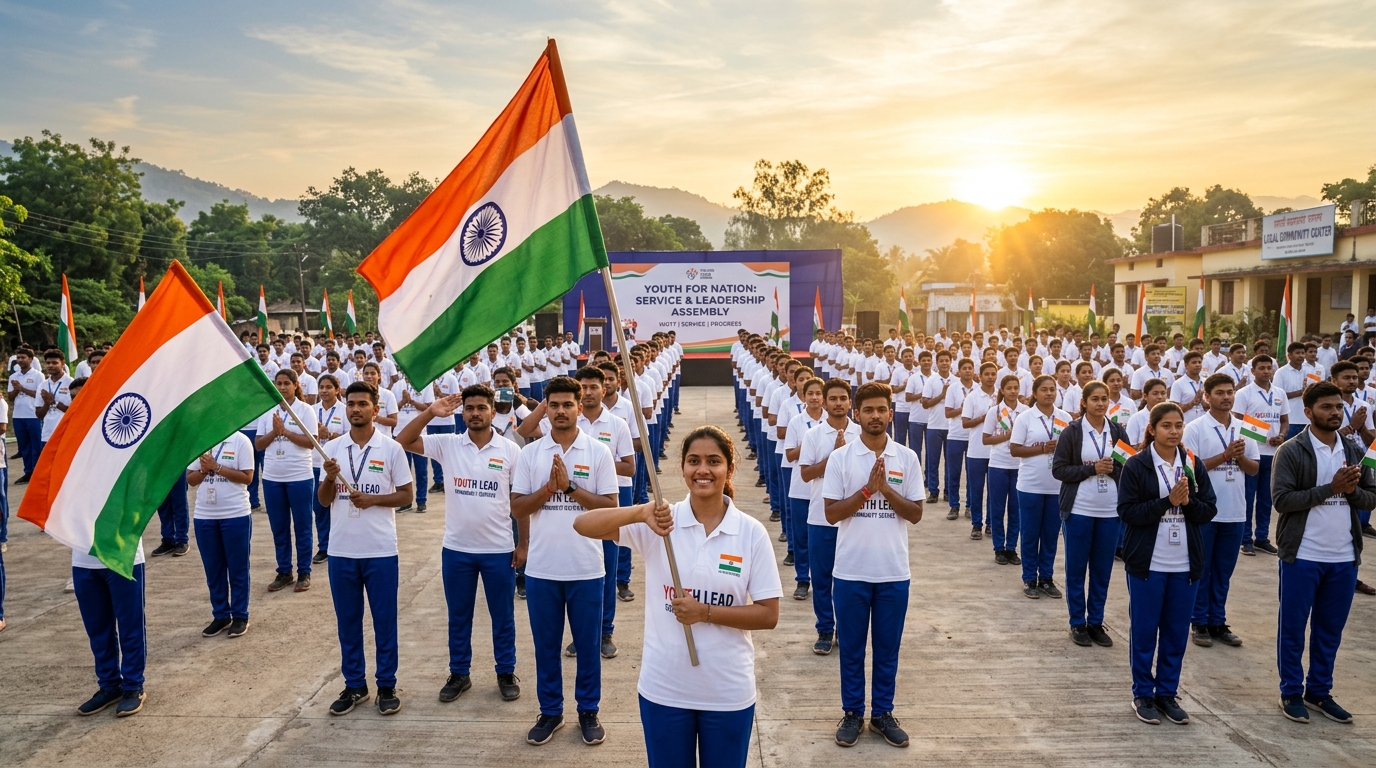
Be Part of Our Continuing Journey for Social Justice

For over 85 years, generations of youth have carried the flame of equality, democracy, and public service. Join our local youth centers, cultural troupe, or volunteer camps today.